
Why ADHD-Inattentive in Girls is Often Missed
Girls and ADHD
Girls with ADHD Inattentive are often missed. Their symptoms are misinterpreted as defiance, laziness or privilege, especially when the reports from school are so different than what parents see at home.
The Outside vs. Inside Child: Why ADHD-Inattentive in Girls is Often Missed
This blog is born from my doctoral research in Special Education, but its roots go much deeper than data and citations. In my professional work with girls and their families, I have sat across from countless parents who feel like they are shouting into a void. They describe a daughter who is drowning at home, while her school reports describe a student who is sailing along. Witnessing this disconnect and the heavy toll it takes on family life has fueled my commitment to uncovering why so many girls are left behind by our current diagnostic systems. This is more than a study; it is a call to recognize the hidden struggles of the "Inside Child." So, I thought to share some of it with you.
If you’ve ever sat through a parent-teacher conference hearing that your daughter is a "pleasure to have in class," only to go home to a nightly battle over homework, meltdowns, or total shutdown, you aren’t alone. My research explores a phenomenon I call the Gendered Masking of ADHD, and it highlights a frustrating reality: the girl the world sees isn't always the girl you see at home.
Research shows that girls are often only referred for ADHD diagnosis and intervention when their symptoms become extreme. Because the diagnostic rulebook was largely written based on how ADHD looks in boys (hyperactivity and disruption), girls who are dreamy, forgetful, or disorganized are often dismissed as just being typical girls who fit their gender expectations: quiet and dreamy.
We know some kids with ADHD are masters of masking. They compensate for their struggles with executive functions with crazy, charismatic humor, superior athletics, and often behavioral issues. In school, these girls often mask their struggles. They work twice as hard to stay quiet and fit in, becoming the Outside Child. But that effort comes at a cost. By the time they hit the home’s front door, that energy is spent, revealing the Inside Child.
Current diagnostic rules (DSM-5) require symptoms to appear in two or more settings (like home and school). This creates a massive hurdle. If a teacher sees a student who is doing well academically and shows no negative behaviors, they may not report any issues, even if that student is drowning in executive dysfunction at home. Moreover, they may not even raise the red flag to the parents.
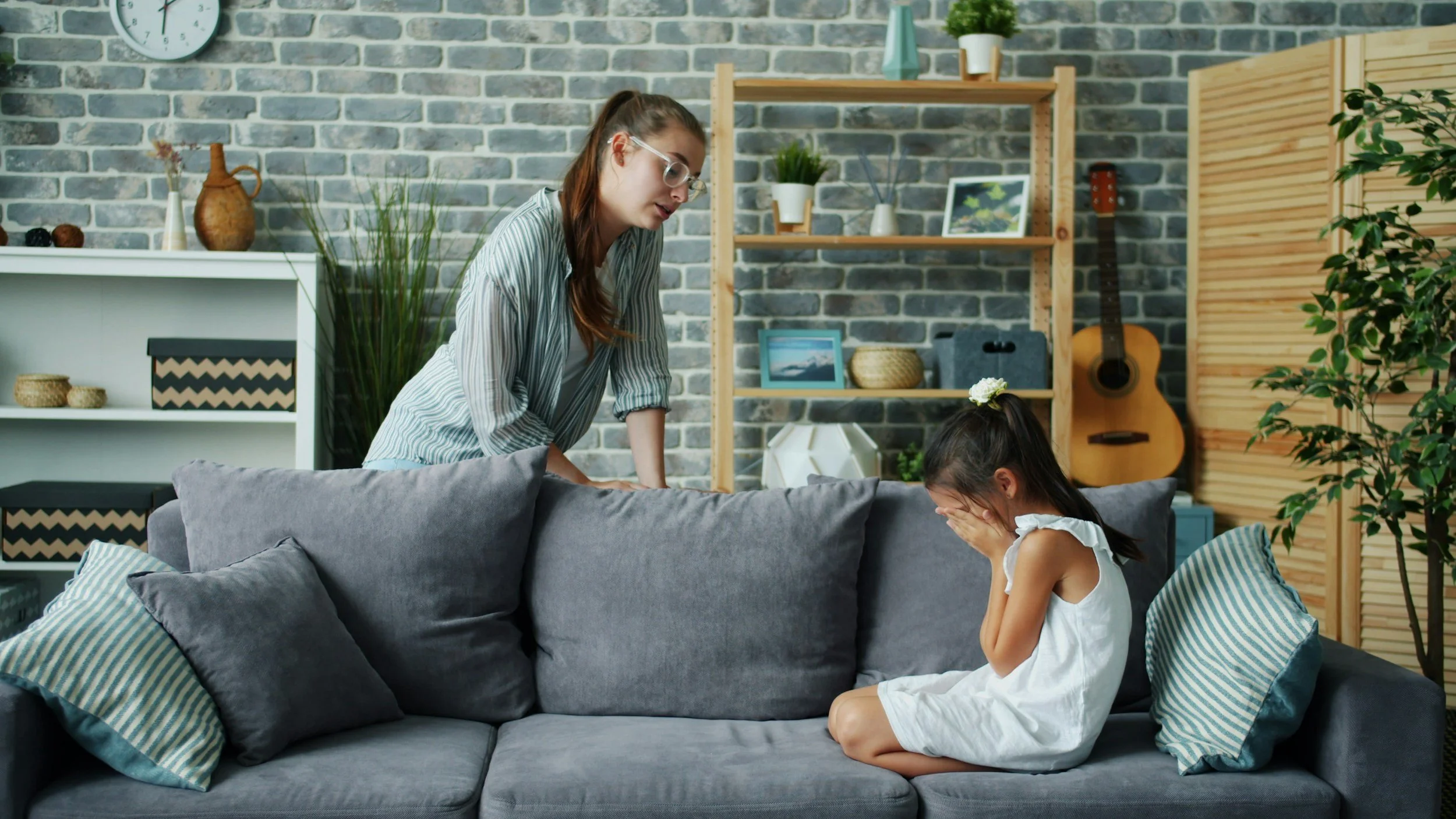
In my study, I spoke with mothers who watched their daughters sit in front of a computer for two hours and accomplish absolutely nothing, despite the school saying she was doing great. These parents often reported feeling invalidated, exhausted, and confused. If it wasn’t the school, then it must be something the parents are doing or not doing. Parents were exhausted not only from the constant fighting but also from having to take on extra executive functioning loads (chores, homework, etc.) to keep their daughters on track. Finally, the child’s behavior seemed like defiance and laziness or just not caring, which left the parent frustrated and… in lack of another fancy word, just sad.
ADHD isn't just an individual diagnosis; it’s a family experience. When a daughter masks all day, the home becomes the only safe place to let go. This often results in emotional dysregulation, meltdowns, or refusals that create ripple effects, increasing stress for siblings and tension between parents.
A Message to Parents
If your gut tells you your daughter is struggling, even if her report card says otherwise, trust your observations.
The Outside vs. Inside split is a real, documented systemic limitation of how we currently assess ADHD. We need a shift in clinical practice that places greater weight on parental accounts. You are the expert on your child’s Inside self, and recognizing that struggle is the first step toward moving from daily conflict to meaningful support.